In the sacred Hatha Yoga scripture Gheranda Samhita, Ashwini Mudra (the Horse Gesture) is described as a powerful practice capable of conquering physical lethargy and preventing premature aging. By consciously contracting and releasing the anal sphincter muscles, this classical mudra stimulates the pelvic plexus, tones pelvic viscera, and redirects downward-flowing Apana Vayu upward into the central pranic channel (Sushumna Nadi).
Pelvic Tone & Bladder
Strengthen the pubococcygeus and sphincter muscles naturally to resolve urinary incontinence and organ prolapse.
Hemorrhoids & Colon
Improve local blood circulation in rectal veins, preventing congestion, chronic constipation, and painful piles.
Pranic Redirection
Sublimate lower sexual energy (Ojas) upward from Muladhara chakra toward higher spiritual consciousness.
6 Core Physiological & Energetic Benefits
- Prevents and Alleviates Hemorrhoids (Piles): By pumping stagnant venous blood out of the anorectal venous plexus, Ashwini Mudra reduces swelling and engorgement in rectal blood vessels.
- Strengthens the Pelvic Floor Diaphragm: Exercises the levator ani and pubococcygeus muscles, supporting bladder control and preventing pelvic floor weakness after childbirth.
- Eliminates Chronic Constipation: Generates gentle peristaltic waves in the large intestine, encouraging natural, effortless morning bowel movements.
- Enhances Reproductive Vitality: Improves microcirculation through the prostate gland in men and the uterus/cervix in women, helping balance reproductive hormones.
- Transforms Apana into Prana: Hatha texts teach that contracting the anal sphincters reverses the downward dissipated energy, uniting Apana with Prana at the navel center (Manipura).
- Root Chakra (Muladhara) Stimulation: Awakens grounded stability, reducing chronic fear, anxiety, and insecurity.
Step-by-Step Technique: How to Practice Correctly
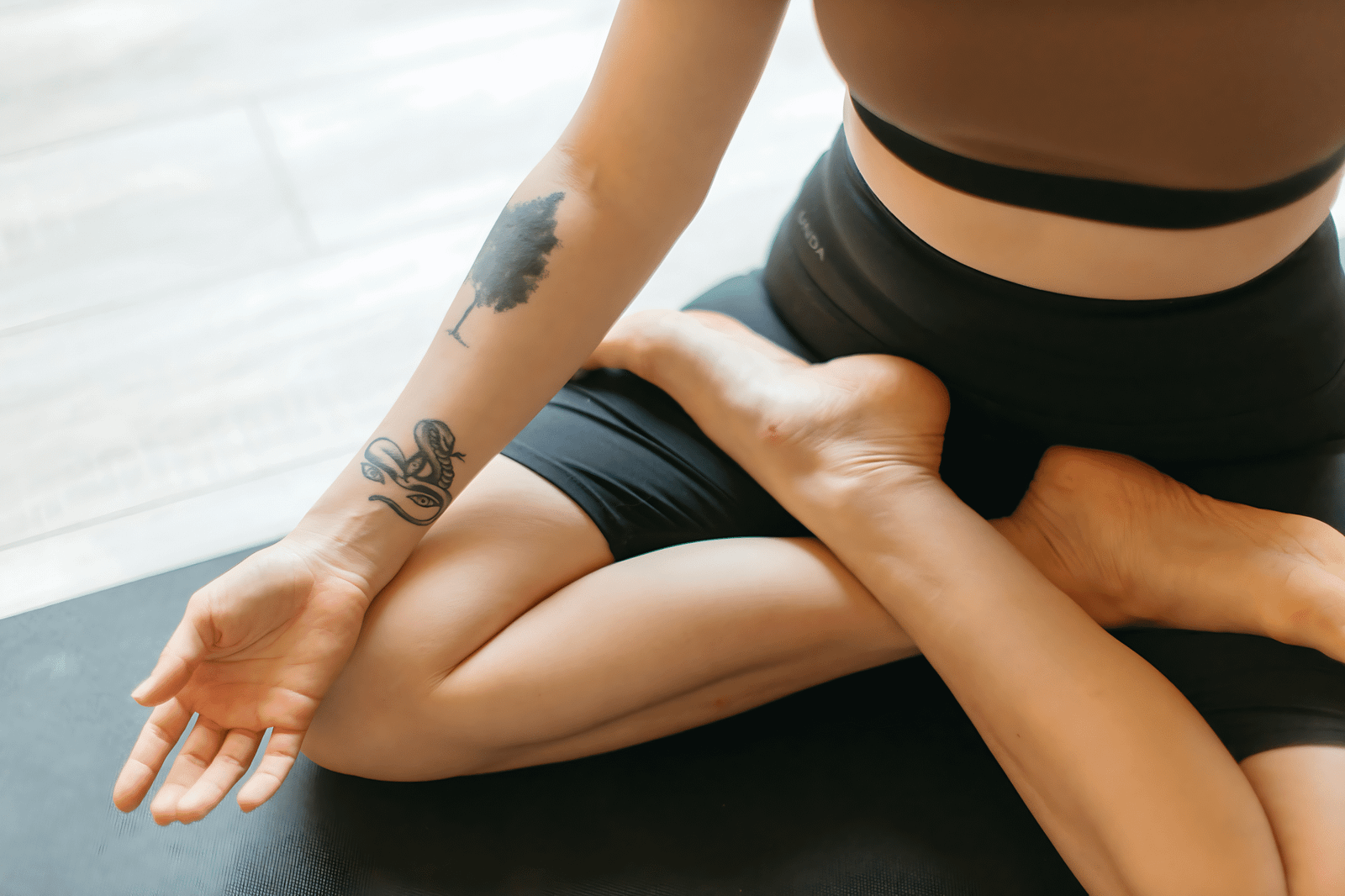
Ashwini Mudra can be practiced in any stable seated posture (Siddhasana, Padmasana, or Sukhasana), or in inversions like Sarvangasana (Shoulderstand) or Viparita Karani.
- Posture: Sit upright with your spine straight, shoulders relaxed, and palms resting on your knees in Chin or Jnana Mudra. Close your eyes.
- Breath: Take a deep, gentle inhalation through your nose. Retain the breath comfortably inside (Antar Kumbhaka) or breathe normally if beginner.
- Contraction: Rhythmically contract the anal sphincter muscles, drawing them inward and upward. Hold the contraction for 2–3 seconds.
- Release: Slowly release and relax the sphincter completely for 2–3 seconds.
- Repetition: Repeat this rhythmic contraction and release cycle 10 to 20 times in one round. Build up to 3 rounds daily.
Ashwini Mudra vs. Mula Bandha: The Critical Difference
| Feature | Ashwini Mudra (Horse Gesture) | Mula Bandha (Root Lock) |
|---|---|---|
| Target Anatomical Region | Anal sphincter ring specifically | Perineum (central tendon between anus & genitals) |
| Action Rhythm | Pulsing, rhythmic squeeze and release | Sustained, continuous isometric lock |
| Primary Benefit | Venous circulation, hemorrhoids & peristalsis | Deep core stability, prana containment & bandha mastery |
Master Mudras & Subtle Energy at Great Bali Yoga
Our curriculum dives deep into classical mudras, bandhas, and pranic anatomy. Explore our 200-Hour TTC or rejuvenating Bali Retreats in Sidakarya, Ubud.
Inquire Course Information